
Insecticide for Bed Bugs
Bed bugs are something that the people in the United States did not have to contend with for generations. They were pretty much eliminated over the past 30 to 40 years, and were no longer a concern for most households.
Now, however, they can be found from the most exclusive neighborhoods to the poorest. Five star hotels and resorts have been plagued with them, as well as prestigious universities and colleges.
The Problems Are Worsening
They have infected military barracks, cruise ships and homeless shelters. No one is immune to the possibility of being disturbed with an infestation in the home.
The problem is that they are now harder than ever to get rid of once a home has been infested. This new strain is resistant to many traditional treatments and it can take months to completely eliminate them from living spaces.
What Are They?
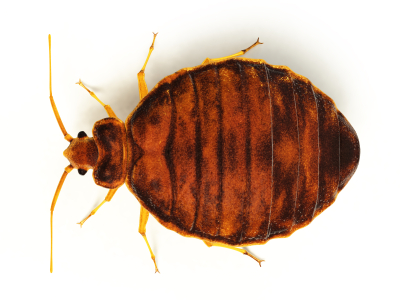
Their scientific name is Cimex Lectularius. They are small insects that feed on warm-blooded animals. They do not fly and can be white, light tan to deep brown or burnt orange in color.
Have Bed Bug Problems?
They are plain white when they are molting and when they have just finished feeding on blood they may appear dark red or black on their body. These creatures have been awarded their name because they prefer to live in the mattresses and other soft furnishings of homes and dwellings.
They have been around for millions of years, and they have adapted to the human environment. Newborns are the size of a poppy seed, and adults can grow up to ¼ inch long. They have a flat, oval shape and the eggs, nymphs and adults can be seen with the human eye.
Where Are They Found?
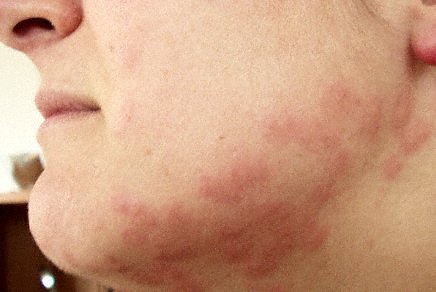
They are mainly found in temperate climates and tropical regions. These bloodsucking found in tropical regions mainly use poultry and bats as their host, and the ones found in South American and West Africa feed mainly on humans and bats. Many people are very sensitive to their saliva and develop lesions that are like mosquito or flea bites.
The more sensitive a person is to the saliva, the more severe the allergic response will be. Often people who are bitten mistakenly think they have some other type of insect bite.
How They Feed
They like to feed about one hour before the sun rises, though they will feed on their host at any time of the day or night. They do not prefer sunlight and generally come out at night to eat.
They can crawl onto a sleeping person when they are in bed or on soft furniture, or they can climb on the walls and ceiling and be attracted by the person’s warmth and presence of carbon dioxide CO2 when a person breathes, so they jump on them. This bug has two hollow tubes that pierce the skin while injecting saliva that contains anesthetics.
Symptoms of a Bite
The person being bitten does not feel the bite and it begins to suck the blood through the tubes for about five minutes. After eating, it will return to its hiding place.
Sometimes a person bitten will begin to itch after a couple of days, but often the person will not realize they have been bitten for several days. An adult will feed again after five or ten days and they can last many months without feeding at all.
These bugs can become dormant for over a year, but one that is eating well will live for up to nine months.
How Homes are Infected
People often mistake an infestation with cleanliness. No matter how clean a home may be, they can still find their way in the home. Many get into the home in luggage when a person is traveling and staying in a dwelling that has an infestation, or when purchasing second-hand furniture.
They can travel from apartment to apartment or from dorm room to dorm room. They come through the smallest holes in the wall or through pipes and wires. Other animals can bring them into the home. There have been cases where new clothes purchased even from high-end stores carried bugs into the home.
Bringing Items Into the Home
It is very important to inspect articles bought into the home very carefully. Look into the seams of all clothes purchased, no matter how expensive. Often clothes are made in countries that have always had infestation problems, and the clothes are shipped to stores carrying the bugs.
Inspect new mattresses or furniture before bringing them into the home. Delivery trucks and moving trucks that carried items infested can have the bugs in the truck, and they then get on the furniture being delivered to a home.
Office Buildings and Child Care Centers
Office buildings and even the homes of friends could be hosts; an action as innocent as hugging an acquaintance can transmit this pest from one person to another.
Some childcare centers are experiencing outbreaks of infestations, and parents should communicate their concerns to these centers or childcare homes to determine what they are doing about the potential for a problem to occur.
Be Diligent But Not Paranoid
While no one wants to become paranoid about contracting these bloodsucking insects, caution is advised. A person who suddenly finds they have a problem should not feel they did anything wrong or that they did not keep the house clean enough.
Infestations can happen no matter how diligent the person has been in attempting to protect their home and family. Once a problem has been discovered, a prompt and quick reaction is the best way to try and control the problem before the entire home becomes infected.
How to Spot Them
If a family member starts to complain about getting bitten by something when they are asleep or having unexplained itching, the bed should be thoroughly examined immediately.
Check the creases of bed linen as well as the seams and tufts of mattresses and box springs to see if there are any small seed-like bugs or eggs. Tiny spots of blood on bed linen are another sign.
A female can lay 200 to 500 tiny eggs in batches of 10 to 50. They usually lay the eggs on rough surfaces like wood. The eggs are covered with a gluey material, and the eggs will hatch in up to ten days. Homes can quickly become inundated with these pests.
Hiding Spots and Key Indicators
They can hide in electrical sockets, behind wallpaper near beds, in the corner of other bedroom furnishing and drawers, and in laundry areas.
Their droppings look like dark brown or reddish fecal spots or a liquid that is light brown or black that often beads up or is absorbed into material. An area that has a high infestation will often give off a smell like coriander.
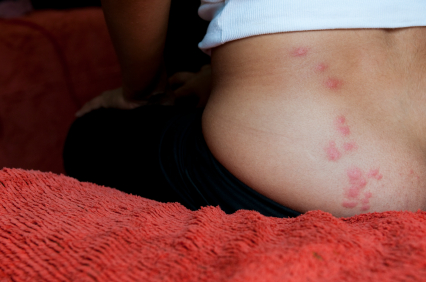
Looking at the bites on a person can often distinguish an infestation. Both these bugs and the nd fleas both bite in rows. If a person has two to three bites in a row on their body, it is probably from these pests.
Disease Transmission
The thought has long been held that they do not transmit disease. However, a recent study in Vancouver reported that bugs with methicillin-resistant staphylococcus aureus, or MRSA, have been found.
Scientists crushed and analyzed bugs, and three of the five had MRSA, which is a superbug that is resistant to any known antibiotic. More studies need to be performed, but the commonly held thought may be challenged about the bugs and disease.
Methods of Eliminating from The Home
There are several ways to eliminate an infestation in the home, but before starting some preparation steps should be taken. The first thing to do is to determine the extent of the infestation.
If caught early enough, the bugs can be isolated to a specific room, but a professional pest management company will need to do an assessment to determine if other rooms are infected. There are several methods of inspection.
Tactics From the Pro’s
One way a professional can detect infestations is to use the sticky traps in areas where they are commonly found, often with a heat lamp in the center of the trap to attract the bugs.
Small moats on the bottom of the bed leg can catch the bugs as they try to crawl up the bed. These methods, along with visual inspection, can determine the extent of the infestation.
Controlling Infestations as a Homeowner
There are things the homeowner can do to help control the infestation.
- Vacuum mattresses, walls, floors, carpets, drapes and clean with products like enzyme cleaners that contain peppermint and borax
- Caulk all cracks and openings around the house
- Wash all bed linens in hot water that is at least 120 degrees daily or weekly
- Move the bed away from the walls
- Put petroleum jelly, talc, duct tape or sticky tape around the bed and on the bed legs
- Vacuum and dust all drawers and electrical outlets with talcum powder
- Steam clean all infested mattresses and pillows. Completely take apart the bed and clean it and the room with the diluted enzyme cleaner. Use a wet vacuum with the enzyme cleaner to clean the floors.
- Clean with diluted Safe Solution enzyme cleaners and borax
- Re-glue any loose wallpaper
- Portable steam cleaners can be used, but the steam needs to touch all surfaces
Isopropyl Alcohol, or rubbing alcohol, will kill them on contact. Make a solution of one part rubbing alcohol with one part water in a spray bottle, and liberally spray all areas where they might be living.
Let the areas dry naturally, and use less water on surfaces and areas that could be sensitive to water. This is an effective method for eradication.
This is quite a bit of work for the homeowner, and it really is a maintenance solution to this problem. There are other professional methods of eliminating them from the home or dwelling.
Using Heat to Eliminate Them
Professional pest management services often use intense heat to kill these insects. A process called Thermal Remediation using Ambient Heat is when the home is heated to at least 140°F for at least two hours, or 130°F for three hours. The heat is effective in killing most adults along with their eggs.
The lethal heat has to penetrate all areas of the home in order to be effective. Adversely, chilling the home to temperatures of 32°F or lower for several days will also an effective method. These methods can be very expensive, costing between $800 and $2,000 just for an apartment.
Home Steamers Versus Professional Steamers
Professionals also use steam to treat infestations. High heat steam wands are passed over every surface and moved at a rate that heats areas to a lethal temperature.
Home steamers do not get hot enough to be as effective as professional pest management services. Steam is usually used with other methods of elimination, as there are some areas that the steam cannot penetrate. This method can cost from $500 to $1,500 depending on the size of the dwelling.
Growth Regulators
Insect Growth Regulators are chemicals that work by disrupting and impeding the life cycle of eggs in the beginning development. If they cannot reach adulthood, then it cannot reproduce others.
Insect growth regulator is often referred to as a birth control for these bugs as it prevents further infestations of the bugs. This can be used by the homeowners, but should be used with other means of elimination. This is more a control for new infestations.
Using Insecticides
There are several insecticide sprays on the market that will kill these bugs. It is important to remember that insecticides should never be sprayed directly on mattresses, so they should be used in combination with other elimination methods.
There are different classifications of insecticide applications:
Crease and Crevice
Crease and Crevice applications are for areas that are hard to reach, as the name implies. Granual pesticides are applied with a brush and can penetrate deeper than the insecticides that are applied as a wet spray. Granuals treat folds and crevices.
Indoor Surface
Indoor Surface treatments treat areas where they typically crawl as they get to their feeding areas or where they live. This treatment is commonly referred to as residual treatments, and stays active for a length of time. It is used on bed frames and other non-sleeping surfaces.
When using this method on drawers and dressers, make sure that the surfaces are thoroughly sprayed top and bottom. Wood and walls should be sprayed 24 inches above the floor and the entire room should be treated.
Indoor Space and Fumigation
Indoor applications are used to treat them directly. They are usually aerosol sprays. Where harborages are found, spray the applications in the air around where they have been spotted.
These aerosols can be used to treat clothing and stuffed animals. Put the items in a plastic bag or closet, and spray the area and close it off for at least 20 minutes.
Insecticides use chemicals to kill these offending pests, and come in sprays, solids, powders or liquids. It is the organic or inorganic substance that does the killing. Commonly used substances are:
Deltamethrin
Deltamethrin is one of the most popularly used insecticides, and includes the active ingredients such as cyfluthrin, cypermethrin or pyrethrum. These ingredients are odorless and do not leave any residue that can be seen. They are biodegradable and will break down after a few days.
It is safe for most people and pets, but not for aquatic pets. It will work effectively on mature bugs by paralyzing them. It is usually compounded with other chemicals that prove lethal. It can be found in liquid, powder or aerosol forms.
Hydroprene
Hydroprene is an insect growth regulator that does not directly kill the bugs but prevents them for reproducing. It has a long-term pesticide effect. It is generally safe and can be used in most areas. It comes in liquid, solid or aerosol forms.
Diatomaceous Earth
Diatomaceous Earth is a type of algae that kills by sucking the moisture out of them which will cause them to dehydrate and die. It is not harmful for children or pets. It comes in powder or dust and has long-term effectiveness. It is not good, however, for immediately killing the bugs on contact.
Most often a combination of insecticides is used to eliminate the problem. Some exterminators will use foggers, but they are not generally thought to be very effective, and should always be used in combination with other elimination methods.
Because these bugs live deep in crevices and can live for a long time without food, repeated applications will be necessary.
Overcoming Resistance to Pesticides
Some of these bugs have developed resistance to products such as pyrethroid insecticides and are no longer affected by them. The newer products do take several days to work, but will be effective.
The dust insecticides work by clinging to the cuticles and wearing away their protective wax covering. This poisons the bugs as they groom themselves. These dust products can work very well if they are placed in places that do not tend to get wet, such as under baseboards or in wall voids.
Professional or Do-It-Yourself
While many of the insecticides can be purchased at local pest management outlets, it is recommended that they only be used by professionals. Many over-the-counter products may say that they can be used by anyone, but they are not as effective as the products only professionals can purchase.
Patience is required when ridding an infestation and the cost can be expensive when using a pest management professional. The best way to manage the process is a combination of professionals and homeowners attacking the problem.
Experts warn against non-professional or licensed people using pesticides, as it can just make the problem worse and add to developing bugs that are resistance to pesticides.
Different Ways Insecticides Work
Some insecticides will kill the bugs on contact, some work by reaching into crevices where they live, and some work by preventing them from reproducing. So there are short-term and long-term solutions to the problem.
It will usually take several applications of the insecticides to completely eliminate an infestation, and though the labels may say the insecticides are not harmful to children and pets, there is always the danger of having family members breathing the air where spraying has taken place.
Professional Spraying
When the professionals come to spray the home, it is best to have windows open after the spraying and the family out of the home for a few hours. Some insecticides say they are safe to use on mattresses or other fabric surfaces, but once the mattresses are completely dry the homeowner should encase them in coverings made for controlling the growth and spread of bugs.
There are also encasement coverings available for other soft, fabric covered furnishings that the homeowner can purchase inexpensively.
Once the home has been sprayed with insecticides by the professional, the homeowner should vacuum thoroughly every day, as well as laundering all bed linen and towels more frequently than normal.
Homeowner Treatment Options
Vacuuming the entire surfaces of the home is recommended, including electrical sockets, walls, furniture, and baseboards. The vacuum bags should be emptied out of the home after vacuuming. This is important to get rid of any dead adults and their eggs.
The homeowner can also use steam methods, traps and powders to add extra effectiveness to the insecticide treatments. When dealing with bugs that are becoming more resistant to traditional methods of treatment, using multiple methods to kill them adds another layer of effectiveness.
All clothes should be put in a hot dryer for a minimum of 20 minutes on the hottest setting to kill any bugs residing on them. It is best to do this in a home dryer rather than taking to a dry cleaner and risk passing these pests along to other people’s clothes. It is often recommended that the 20 minute dryer treatment be used on any new clothes purchased.
Disposing of Infected Items
Some people find it easier to throw out mattresses or other soft surfaces that have been infested. But, when purchasing new bedding carefully inspect the bedding top to bottom before bringing into the home, and immediately encase the mattress and box spring with protective plastic coverings to prevent them from becoming infested.
Be careful of the disposal method of furniture infested so as not to contribute to their spread.
Remember, it takes on average three weeks to rid a home of these. Preparing the home takes approximately one week, and when the professional pest management company they may kill the live adults, but often will have to come back to kill any of the nymphs.
Cost of Treating Infestations
The general rule of thumb is that it can cost anywhere from $500 to over $1,000 per room to completely rid a home, depending on the size of the room and the severity of the problem. More than one treatment is often necessary for total elimination.
While the homeowner can take steps to help identify and control the problem, if the infestation has permeated the whole house professional exterminators should be called. Remember, just turning up the thermostat will not heat the house to a level high enough to cause death.
Cost Considerations
Professional pest management companies can be expensive, but they are the most effective way to eradicate an infestation. Home remedies may be cheaper to purchase, such as steamers, alcohol or dust pesticides, but the need to constantly monitor and repeat treatments make the process longer and more difficult.
The time and effort it takes to use home remedies also has to be factored into the total cost. Even with professional pest management, some do-it-yourself remedies will probably be required. If the homeowner wants to ensure total elimination of the problem, the two have to go hand-in-hand.
Insecticides will not kill the eggs that have not hatched, so re-treatment in two to three weeks is necessary. That has to be added to the total cost of treatment. The professional pest management company will inspect the house to determine which treatment is appropriate, as well as how any follow-up treatments will be handled.
Is the Cost Worth It?
It is expensive to rid a home of an infestation, but professional services are worth the cost if they can eliminate the problem quickly and efficiently. Always get a written quote of the total costs in advance, and get at least three estimates before selecting a professional pest management company.
Also, find out what the homeowner should be doing in conjunction with the professionals to ensure the bugs are quickly exterminated from the home.
Most professional pest management companies cannot give guarantees about bugs not returning to the home since it is so easy to carry them into a home, but it is not unreasonable to ask for a written guarantee that their services will eliminate the existing bugs.
Since ridding a home is so expensive, it is important to utilize the preventive maintenance tips to keep them from returning.
Managing Reinfestations
Once these parasites have been eliminated from the home, homeowners naturally will feel anxious about making sure they do not return. An infestation naturally affects the peace and security of homeowners and family members.
The work that it takes to eliminate them and the frustration of having to deal with them is enough to make anyone anxious about having a repeat bout. This is a completely natural reaction.
There are proactive steps that can be taken to reduce the incidence, and the homeowner has to become diligent in spotting the signs of a recurring problem.
Prevention is Key
It is important to practice preventive maintenance to keep them from re-infesting a home. Be careful of all items bought into the home. Keep a sharp eye for any signs that they may be returning.
Check bedding and mattresses weekly, and look behind pictures on the wall, in drawers, and even on shelves and books. Vacuuming the house well every couple of days will also help, as well as keeping the home free of clutter. Clutter makes it harder to spot the bugs and gives them places to hide and hatch.
Keeping a lot of stuffed toys around the house can create another breeding place. Wash bed linen in hot water and use a high temperature when drying clothes and linens.
Working With Furniture
When bringing furniture items into the home look for clues such as black or red spots on the furniture that may indicate an infestation; run your finger around all of the furniture, and carefully check any labels which are a place where they like to hide.
They like to cluster together, so that might make it easier to spot them. Box springs are another common hiding place, and when purchasing new bedding the box springs should also be encased in plastic along with the mattress.
Placing double-sided sticky tape around bed legs and on the bed frame can trap them, and keeping mattresses and box springs encased with a quality product that does not have even the smallest openings that could allow bugs to creep in the mattress. The sticky tape will be an early indicator that has returned if they are spotted on the tape.
Commercial & Home Products for Use on Furniture
Using a product like diatomaceous earth around the bottom of beds and furniture, and in other locations where they roam is a preventive method of treatment. There are also non-toxic spray treatments that can be used in cracks and crevices around the home.
Bet Yet is a highly rated non-toxic spray formula. Always check to ensure that no harmful chemicals are being used in homes where there are children and pets.
Home remedies like kerosene oil, petroleum jelly and thyme will not kill these tough bugs. They may not like the smell of thyme so it may keep them away from surfaces, but it will not kill the ones that are already in the home.
Tips for Removing Items
When removing items infested out of a room, always fully wrap the item in plastic before moving, or you may transport them to other rooms of the home if they fall off the item.
One other way to prevent the home from becoming infested again is to have total honesty among friends and family. If it is known that a person has a problem, be very careful when visiting them, and politely ask that they not bring any bags or items into the home.
Also disclose to friends and family who may be visiting that there is a problem. This open honesty can help discourage the spread. It is rare that they are carried on personal clothing, but even purses that are kept in rooms infested can have a couple nesting in the seams.
Diligence when Traveling
Always be very careful and diligent when traveling and staying in hotels or other dwellings. Ask the front desk before checking into any lodging if they have any incidents, no matter how expensive the lodging may be.
Once in the room, immediately pull back the bedding and check along the seams and tufting of mattresses and box springs, as well as the linen on the bed. Also check curtains, around televisions, and in drawers of furniture.
If anything that looks similar to the typical signs of an infestation, leave the room and ask for another room that has been thoroughly checked in advance.
Place luggage and any other personal items on a firm, hard surface, or on a luggage rack that has been pulled away from the wall, and be cautious when hanging garments on hotel hangers. Never place luggage or personal items on the bed or other soft furniture in a hotel room.
Packing Alternatives
Many people are starting to pack their clothes in sealed plastic bags when traveling to prevent contamination.
It is a good precaution to wash clothes that were in the suitcase in hot water and dry in a hot dryer when returning home. Place the suitcase outside until it has been thoroughly inspected to ensure that no bugs are being transported into the home.
Diligence may take a lot of time and seem a bit like paranoia, but it is better to seem paranoid than have to deal with the expense and frustration that comes with unwittingly bringing these nasty bugs into the home. Also remember to check pets periodically, as they too can harbor these pests and transport them into the home.





13 Comments
Got me a supply of DDT. Works every time, all the time. The stuff is so safe it is edible. Cheap too. That is why it was banned, it put the big corps. out of business.
Yes DDT is very effective, for this bedbug.
How did you manage to get it?
Is there a way to still get DDT????
Where can I obtain this DDT?
DDT was very effective but NOT Safe at all and It “Never” Broke down in the environment… thus Bio-Concentrating killing Birds and Fish and as a very potent Carcinogen contributing to Human Cancers~!!!
This is crazy! Arsenic and strycknine will probably work too but will also kill YOU! DDT is a killer of all kinds of mammals, birds, fish, all living things.
DDT is Not really a human health issue.
DDT tiggers were used for many many ears in neighborhoods. And no ncrease in human deaths or cancers were ever found.
Rachel Carson was a shill for chemical companies…a very effective shill.
What is DDT?
Where can I get this DDT?
Thanks for this info bt where can i get some of this chemicals
You guys need to read the whole article. Plain rubbing alcohol kills them on contact. You don’t need DDT.
Where can i get all this chemical