
Bed Bug Powder
Bed bugs are small, oval insects that live on the blood of humans and animals. They also feed on bats, birds and rodents. While they can’t fly, but they can move quickly across walls, ceilings and floors and are found in dorm rooms, homes, hotels and shelters.
Even an immaculately clean home can be susceptible to the increasingly problem of infestation. People can bring them home through clothes or by luggage. These bugs can be found in loose wallpaper, behind pictures frames, in mattress seams or inside furniture.
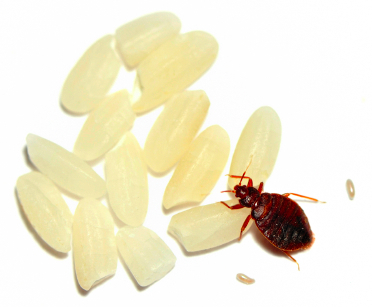
They are mainly active at night, and can live up to one year without drinking any blood. While they aren’t known for carrying any diseases, they can adversely affect a person’s quality of life. Having a home infested with these bloodsucking insects can cause anxiety, embarrassment and discomfort.
How Do They Reproduce?
Females lay approximately five eggs each day or over and 500 eggs throughout their lifetime. The milky-white eggs that a female lays are visible to the naked eye and take approximately two weeks to hatch. They start feeding immediately after they hatch.
Each bug needs to go through five molting stages. Once the baby goes through these stages, they reach maturity. The baby needs to feed at least once during each stage. It takes approximately five weeks to reach maturity. Once it reaches maturity, they can reproduce.
Have Bed Bug Problems?
Inspection and Bites
Bites on the body are the most common indication that a person’s home may be infested. These bites usually turn into itchy welts, and are often located on the neck, arms, back, legs or hands. Bite marks are usually found in clusters or lines on a specific area of the skin.
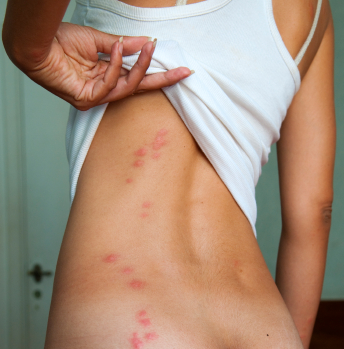
If a person has bites, they will need to thoroughly inspect clothes, bedding, furniture, molding, drawers and all cracks for bugs, fecal spots, cast skins or eggs. A noticeable musty, offensive odor is another indication that they may be present.
Individuals should also inspect rugs, window and door frames, baseboards and ceiling moldings. Check pet beds and all areas where they rest for any signs.
The best time to check for bugs is at night when they are most visible and out of hiding. A visual inspection is necessary in detecting these pests. Not all of the bugs need to be found in order to successfully eliminate the infestation.
Bite Treatments
Most bites can be treated with a topical cream that can be found at a drug store. The bites usually disappear after one to two weeks. If possible, try not to scratch the bite. Excess scratching can leave scarring, and make the bite vulnerable to infection.
If the bites get infected, consulting with a doctor may be necessary. A doctor can prescribe an oral antibiotic to help clear up the infection. A person who is susceptible to allergies may have an allergic reaction; in this case, a person may need to take an antihistamine.
Once the bites are taken care of, it is time to locate and get rid of the infestation.
Sanitation
The first step in eradicating these insects is to sanitize the areas where they have been found. Vacuum the bed, rugs, walls, woodwork and curtains. Once the vacuuming is done, immediately remove the bag and wrap it in plastic. Throw the bag outside in the trash. This will keep the offending bugs from escaping back into the inside of the house.
Use a heavy duty brush to scrub all sides of the mattress and box springs. Repair cracks and reapply glue to loose wallpaper. Steam cleaning a mattress is not recommended because it is hard to remove all the moisture, which can lead to problems with mildew or dust mites.
A person can get rid of their old mattress, but a new mattress can quickly be infested when the infestation remains. Wash all bedding and clothes in the hottest water possible and thoroughly dry clothing, bedding, curtains and other items at the highest possible dryer setting.
Product Options, Methods and Cost for Elimination
There are many products and methods that can help to eliminate an infestation. There are monitors that can catch them, but they won’t eliminate or control the infestation.
Steaming the infested areas can help. If a person hires a professional team to steam the area infested, it can range in price from $500 to $1500.
Thermal redemption using heat is a very costly remediation method. This is a good option for a person who has a cluttered home where preparation may be a struggle.
Specially trained bug detecting canines can be used for large areas that are suspected of being infested. This method costs thousands of dollars for each day the canines are used. However, insect detecting service dogs are reliable in detection up to 97% of the time.
Pesticides vary in price and effectiveness, and are used along with other methods. Powder is another product option for elimination of the infestation. Most powders are non-toxic, effective and affordable. If the infestation is moderate, powder may be all that is needed to eliminate the bugs.
Powder Treatment
One of the safest products to use is powder. Most powders are non-toxic and are harmless to humans and pets, but deadly to the bed bugs. Always read the label to make sure the powder is non-toxic and safe to use on beds, furniture and rugs.
Powder is simple to use. The powder just needs to make contact to eliminate the bugs, while other options need to be consumed. It works by covering the exterior of the bug, which eventually kills them by dehydration.
Affordable Cost
Specially formulated powders are one of the safest and affordable solutions for getting rid these bugs. It eliminates the problem without being subjected to chemicals that can be found in other products.
Powder is available in many strengths and sizes, and can be purchased for under $10. The cost of the powder will depend on the amount needed to eliminate the bug infested area. The only time it may be helpful to get a professional involved in elimination if there is a large infestation throughout the house.
Many bug sprays and liquids dry up after a few hours. Powders don’t wear out and can be effective for many weeks or even months. One bottle of powder should be enough for a few weeks of treatments to one room.
Elimination by Using a Cleaning and Powder Treatment
Once it has been confirmed that there is an infestation, the process of eliminating the bugs with a cleaning and powder treatment begins. Wash sheets, clothing, and any items that may have come in contact with the bugs in hot water. Thoroughly dry the items in a hot dryer. Steam clean or wash the rugs, bed, woodwork, and any areas where the infestation were spotted using hot water and a little soap.
Safety Preparation
Once all the areas and items are cleaned and dried, prepare for the powder treatment by putting on gloves, and wearing a dust mask and protective goggles. The bug powder can be dusty, especially if it is being used in a large area. The dust may irritate the eyes and throat. These protective items should also be worn before applying any other types of products or treatments.
Applying the Powder
Sprinkle the powder under the sheets, in between the mattresses, and in any areas where they may have been spotted. Sprinkle the powder on rugs, under and around the feet of the bed, and in any cracks and crevices. These bugs are small and thin and are known for hiding in small areas.
Carefully spread the powder in exposed cracks and crevices using a small paint brush. Make sure to spread the powder in an even, thin layer. Use a small broom or brush to spread the powder in larger areas. If the powder is left in clumps, they will avoid the area.
Time Frame for Treatment
Powders and other methods used to eliminate the bugs may need to be applied to the areas for approximately a few weeks in order to fully eradicate the infestation. The amount of treatments needed depends on the severity of infestation. The combination of thorough cleaning and powder will help to ensure that the areas previously infested remain bug free.
Powder Used With Spray
Powder and spray also work well together in combating an infestation. If possible, make sure both products are non-toxic and safe to use on mattresses, rugs and furniture. The advantage of combining these products are almost guaranteed to eliminate the infestation, and keep them from coming back.
Make sure to wear protective gear before applying these products. Spray the infested areas and all cracks and crevices first, and then sprinkle the areas with the powder. The powder works mechanically, while the spray works chemically. Wait approximately 45 minutes before vacuuming the areas. The bugs normally die after a few days.
Eliminate Possible Recurrence
Once a person has eliminated the infestation, the last thing they want is a recurrence. If there are high-risk parts of the home where they once resided, make sure to check these areas at least once a month.
Check all surrounding areas where the bugs were previously found. If spotted again, start cleaning the area with hot water immediately. After the spaces are cleaned, sprinkle the areas with powder. Often, finding only a couple of bugs means that it is only a moderate infestation and therefore easier to treat.
Another option is to place monitors in areas of the home that were known to be previously infested. Monitors that use carbon monoxide, heat or a chemical lure the bugs can be quite effective but costly.
Preventing Them from the Get-Go
Laundering clothing, bedding and drapes in hot water is considered one of the best ways to keep them at bay. If you are buying used furniture, have an expert check the pieces for bugs before bringing them into your home.
Cover mattresses and box springs with plastic covers. This will seal the mattress and box springs to prevent the bugs from getting in. If there are any in residence, the cover will trap them.
If a person does a lot of traveling, check the crevices of the hotel room for bugs. Place suitcases on a table or counter, and keep them off the hotel floor to avoid unwanted hitchhiking pests





16 Comments
How much is the powder and how do I purchase it?
Thanks
Diatomaceous Earth – Bed Bug, Flea, Ant, Crawling Insect Killer
How is the powder and how to buy it
Whats type of powder.or boric acids is sufficient
You can go to your local hardware store and ask for diatomaceous earth or Harris Bed Bug Killer. It is a white powder that is poisonous to humans, dogs, cats and bed bugs. Follow the instructions on the label and put it in the cracks of your bed frames, baseboards and legs of furniture, particularly if you have the cups that the wheels of your bed go in.
There are different types of powder. Diatomaceous earth is available at garden supply and home improvement stores. Check that it’s the kind safe for indoors. Various silicates also work. It gets under their exoskeleton and irritates them to death. Make sure whatever you use is safe for indoors and specifically kills bedbugs.
YESSSSS! Lolo is right. Check out DIATOMACEOUS EARTH. It is a natural talc-like powder, pale creamy colour. It is actually ground up seabed fossils. Under a microscope the grains of the talc look like tiny razor blades. these slice into the carapace (outer shell) of the insect, It dies. Many hotels are now dusting it under their beds because it is not a chemical and quite safe for humans. I get mine at organic gardening centre. NZ$20 for a kilo bag. I also mix with olive oil to make a clay pack for my face! I also put in horse feed to get rid of internal parasites.
Can I use DE Diatomaceous earth my bed? They are still invading my bed even now I want to be rid of them I already long ago dusted around my bed and under but it seems like that’s still not enough the bedbugs are still surfacing onto my bad this is insane.
Move out.
I’m having the same problem. Waiting with you for an answer.
My daughter suffers from Anxiety already . This is too much for her mental health . Hiro Mamoru and I need answers quick
First, vacuum your mattress and box spring. Purchase special mattress covers for box spring and one for mattress, with special zippers to trap and keep bed bugs inside. Purchase silica powder and use according to directions because it is the best powder for killing bed bugs.
Don’t forget to wash and dry all clothing/sheets/blankets/pillows/ pillow cases/ read about how to kill bed bug infestations….there is proper steps in proper order to kill off every bed bug life stage. You must follow these steps in order….make sure to treat all areas inside house.
Whats the name of the best powder to use on an infested area?
Put a bedbug protector nyour mattress and box spring.
How really it makes to kill bed bugs and get rid in effective months or this practice worth it ?
I’ve used every thing nothing works I’ve spent out I’m at my wits end and cant take anymore,I clean a room to to bottom takes me half a day buy the time I finish it’s full again ,I dont know when the last time I had sleep the house is a mess now I’ve got no money I’ve thrown all my furniture no wear to sit cant take it